
Across Asia, digital identity systems are transforming how states verify identity, deliver services and shape access to rights. But for people without secure citizenship, birth registration or identity documents, digital ID can deepen existing exclusion.
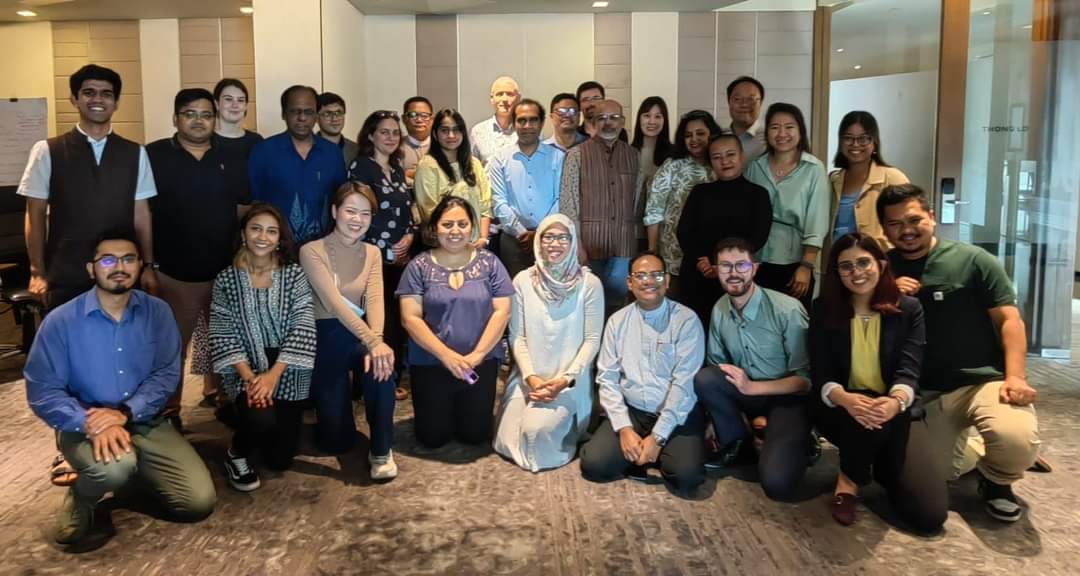
Drawing on the findings of the Third Edition of the Statelessness Encyclopedia Asia Pacific (SEAP), the session featured country case studies presented by Nationality For All’s Subin Mulmi, Nicole Fong, and Nayantara Raja.
The session was held on the 8th of October 2026 and was chaired by Tahera Hasan from Imkaan Welfare Organization, with human rights advocates Adlyn Adam Teoh joining as a discussant to reflect on safeguards, participation, community leadership and accountability in digital identity systems.
This discussion explored how digital identification intersects with nationality rights and statelessness. The experiences of Nepal, Malaysia and India illustrate how existing legal and administrative barriers can be reproduced through digital systems. Although different countries have different citizenship laws, they share the same challenges around documentation barriers, digital exclusion, and access to remedies.
Takeaways from Nepal:
- Approximately 20% of the population may lack citizenship certificates, creating significant barriers to national ID enrolment.
- Gender-discriminatory nationality provisions and implementation gaps continue to affect children born to Nepali mothers.
- Around 17.2 million people have received national identification numbers, while 6.2 million have received physical cards.
- Single mothers, persons with disabilities and rural communities face additional administrative, biometric and infrastructural barriers.
Takeaways from Malaysia
- The absence of a formal statelessness definition and determination procedure contributes to gaps in recognition and official data
- Children born abroad to Malaysian mothers, foundlings, adopted children and Indigenous communities face particular nationality-related vulnerabilities.
- Birth registration does not automatically establish citizenship; some children receive certificates recording their nationality as undetermined.
- Introduced in 2024, Malaysia’s My Digital ID system authenticates users accessing online services and is linked to existing national registration records – available only for citizens.
Takeaways from India
- A claim to citizenship rests on paper trails that many marginalized communities cannot access with ease.
- A 2016 National Family Health Survey showed that 20% of children, about 5 million, did not have access to birth certificates, in addition parents without documents cannot pass citizenship status.
- Although Aadhaar does not prove citizenship, it was established to enhance the delivery of government subsidies, benefits, and services to individuals residing in the country.
- For stateless people and people with citizenship precarity, there is no category and no document route. A person with no visa, or verifiable papers remains excluded, and so may their children.
- More linking and matching of legal documents means more points where a record can be flagged, blocked or deleted, often with no notice.
Read our SEAP report here about digital ID and how it impacts citizenship and nationality rights in Malaysia, Nepal, and India.