Building evidence for advocacy, accountability, and systemic change
Reliable data, accessible research, and practical knowledge remain major gaps in efforts to address statelessness and nationality exclusion across Asia and the Pacific. In many contexts, affected communities remain invisible in official statistics, underrepresented in policy discussions, and overlooked in legal and governance systems.
Nationality For All (NFA) produces research, evidence, and practical knowledge to strengthen advocacy, improve accountability, and support more inclusive policy responses. Our work is grounded in the belief that knowledge should not sit on shelves—it should inform action, strengthen movements, and contribute to systemic change.
Our Approach
NFA’s knowledge work is rights-based, participatory, and action-oriented. We combine legal analysis, policy research, movement learning, and community-informed inquiry to produce practical resources that can be used by advocates, civil society organizations, institutions, and affected communities.
Our research is not purely academic. We focus on generating evidence that helps strengthen advocacy, improve institutional practice, support strategic decision-making, and amplify the experiences and expertise of those directly affected by statelessness and nationality discrimination.

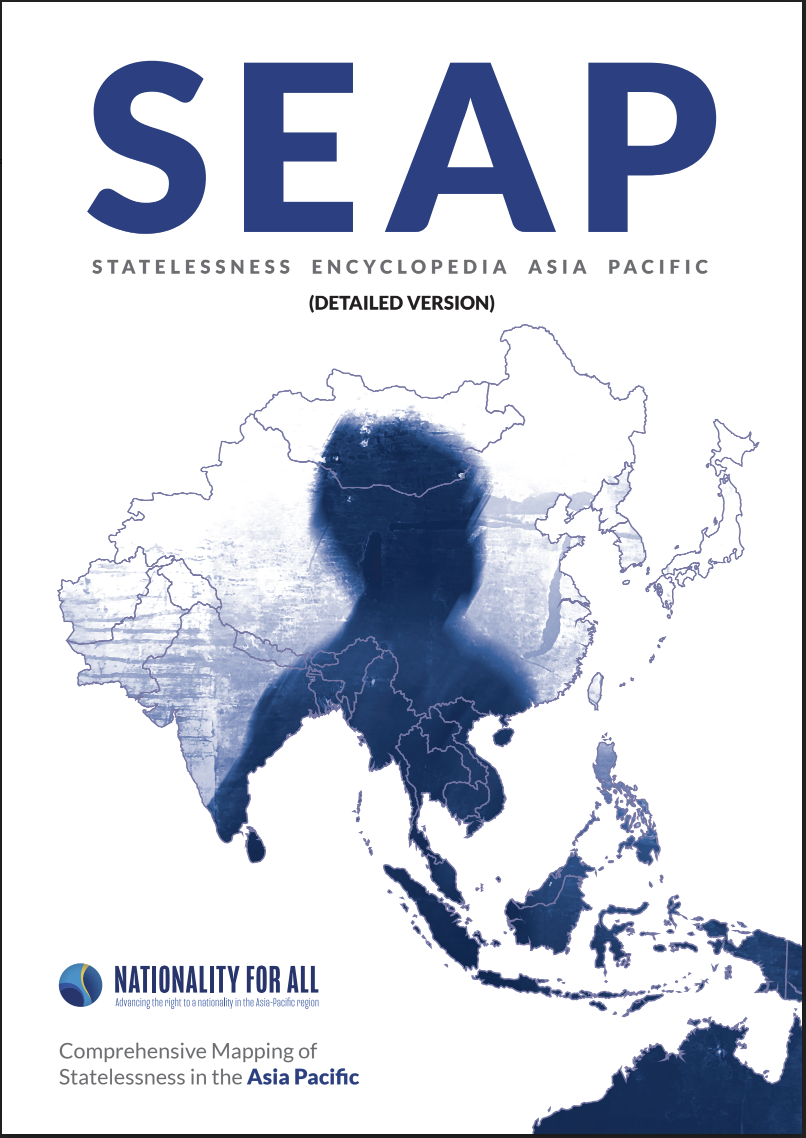
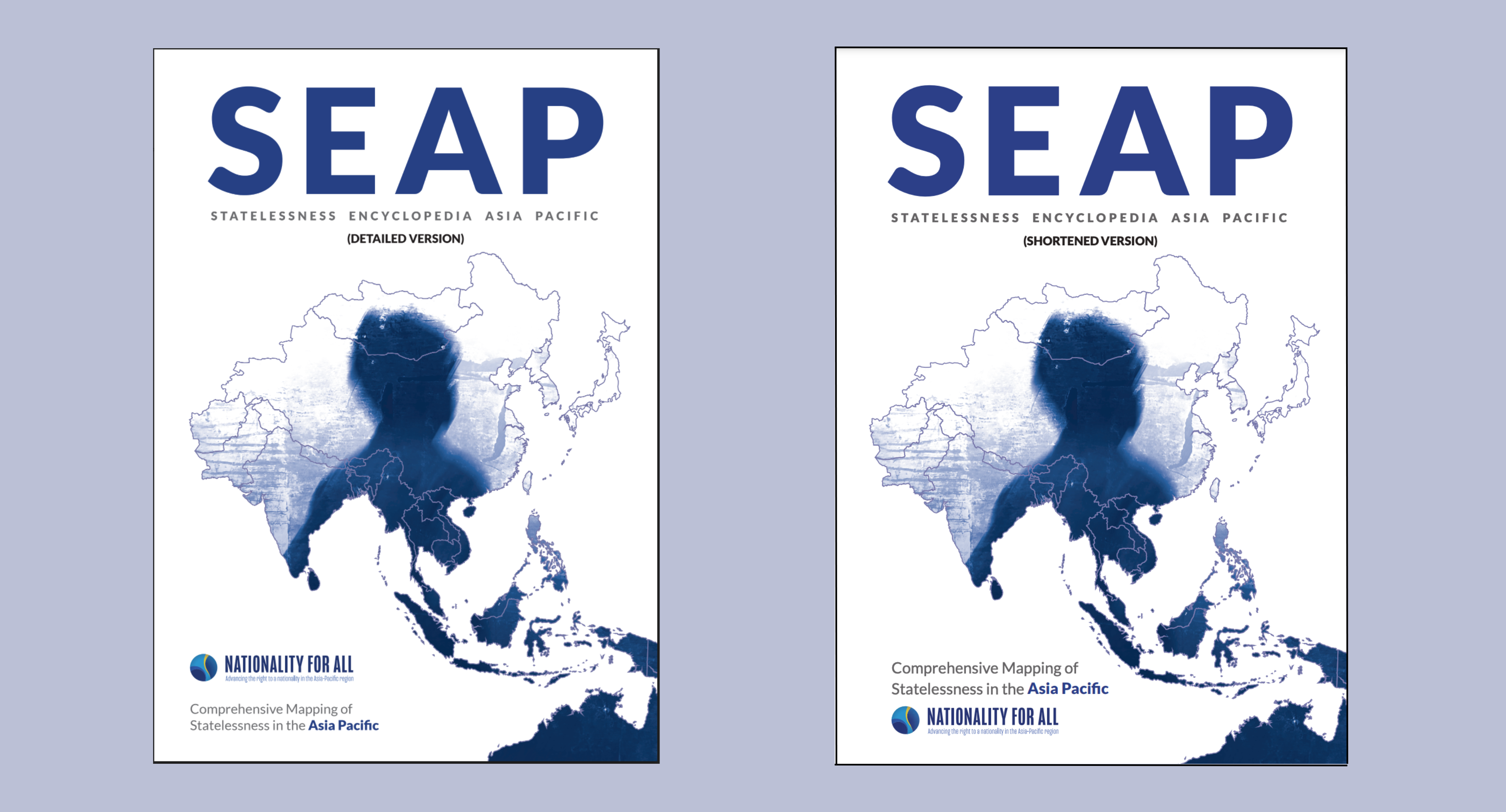
The Statelessness Encyclopedia Asia Pacific (SEAP) is NFA’s flagship knowledge platform and one of the most comprehensive regional resources on statelessness and nationality rights in Asia and the Pacific.
Through the Statelessness Encyclopedia Asia Pacific (SEAP), NFA has developed a flagship regional platform that translates research and evidence into accessible resources for advocates, researchers, policymakers, and affected communities.
SEAP provides comparative information on nationality laws, stateless populations, causes of statelessness, treaty body recommendations, and key stakeholders across 45 countries and territories in the region.
The platform was developed to address a longstanding gap in accessible and consolidated regional information on statelessness. It serves as a practical tool for advocates, researchers, policymakers, civil society organizations, and institutions working to strengthen evidence-based responses.
The latest edition of SEAP explores the intersection of digital identity systems, legal identity, civil registration, and statelessness, reflecting emerging regional risks and opportunities linked to digital governance.
SEAP continues to evolve as a dynamic knowledge platform designed to support advocacy, collaboration, and policy influence across the region.
OUR RESEARCH APPROACHES
Grounding research in lived experience, collective learning, and action for change
Participatory and Community-Informed Research
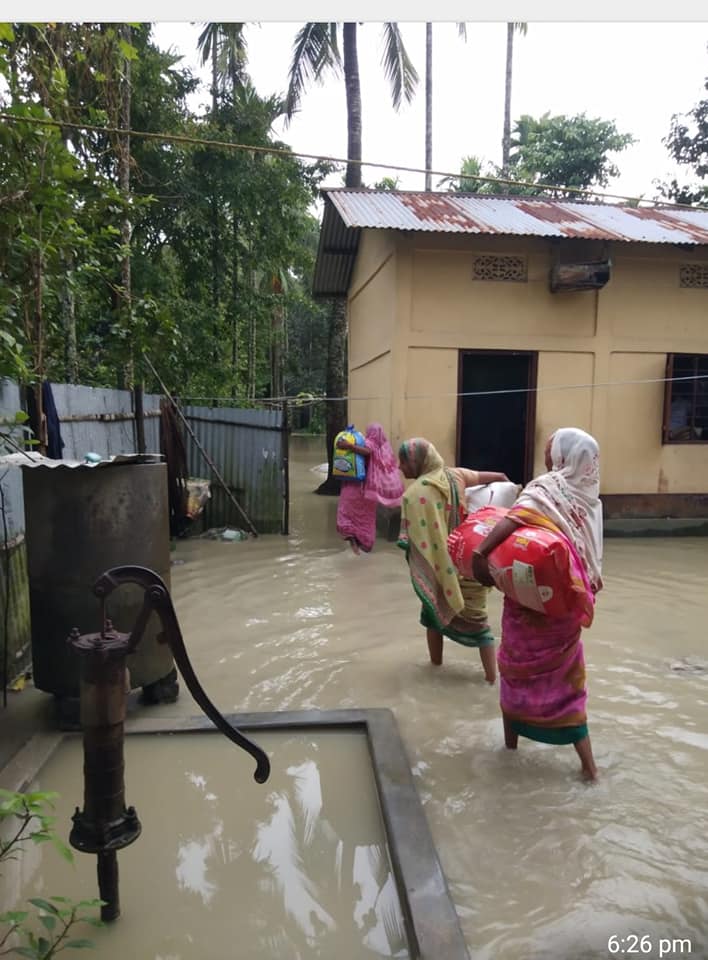
NFA believes research on statelessness and nationality exclusion should be grounded in the lived realities of affected communities. Our research approach prioritizes meaningful engagement with impacted persons, community-rooted organizations, and grassroots actors to ensure that knowledge production reflects lived experiences, local realities, and practical challenges. We recognize affected persons not merely as participants, but as contributors, experts, and partners in shaping evidence and analysis.
Action-Oriented Policy Research
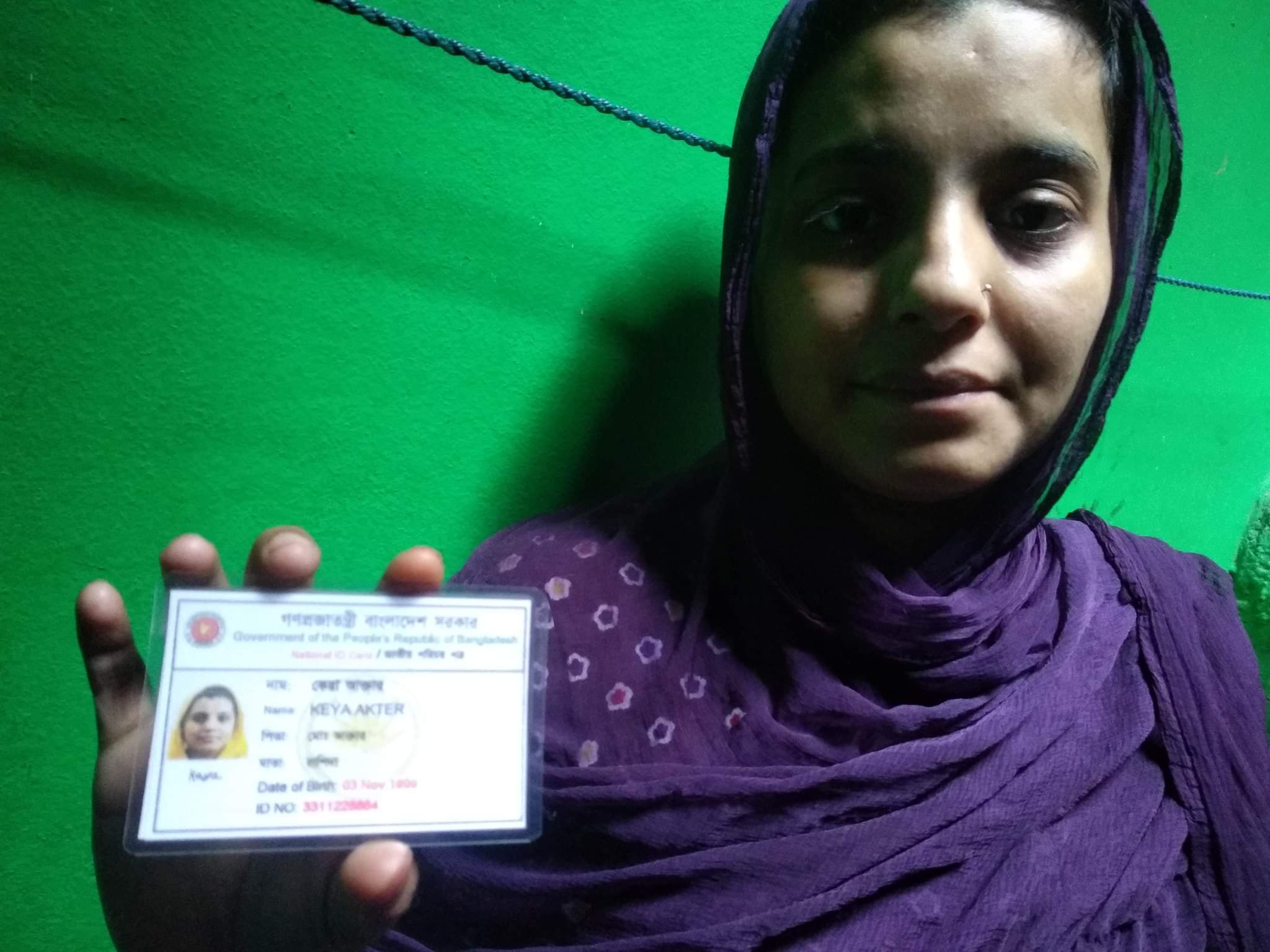
Our research is designed to inform action. NFA focuses on practical, policy-oriented research that strengthens advocacy, supports legal and institutional reform, and contributes to more accountable governance. By combining legal analysis, policy research, and contextual understanding, we aim to produce evidence that can be used by civil society, institutions, advocates, and policymakers to advance meaningful change.
Collaborative Learning and Movement Knowledge
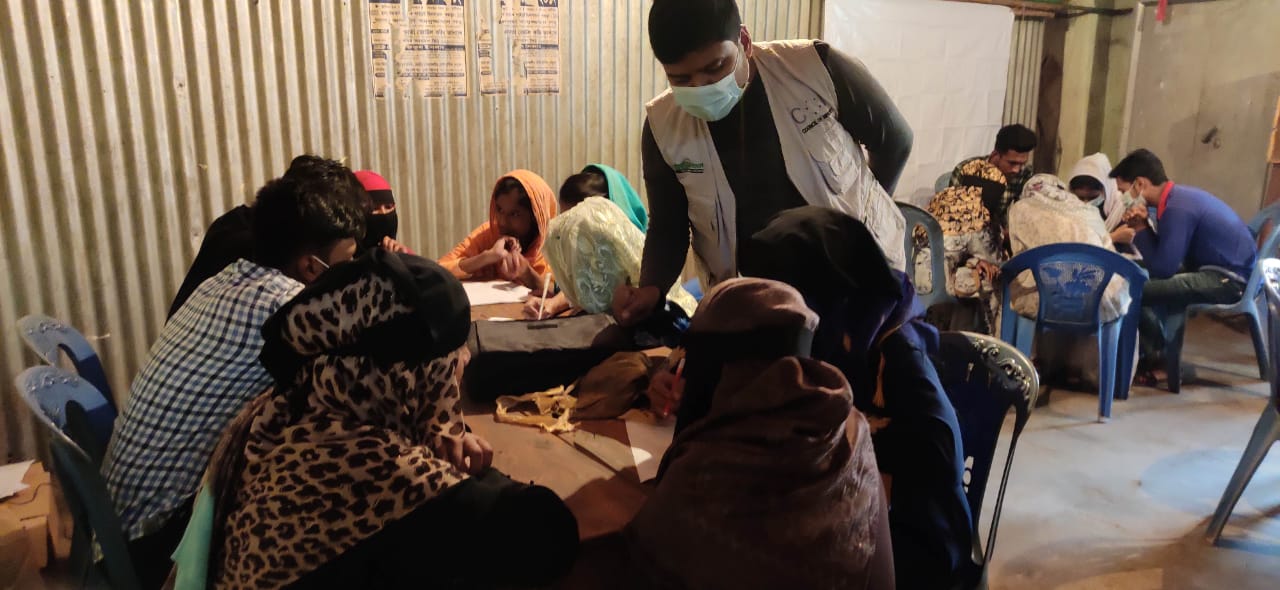
This study has been conducted in collaboration with the Council of Minorities and Shahriar Saadat. The study aims to understand whether the Bangladeshi government has adequately protected the right to nationality of the Urdu-speaking community through a review of the laws, policies, and other studies on the issue. The research also aims to analyze the statelessness status of the Urdu-speaking communities