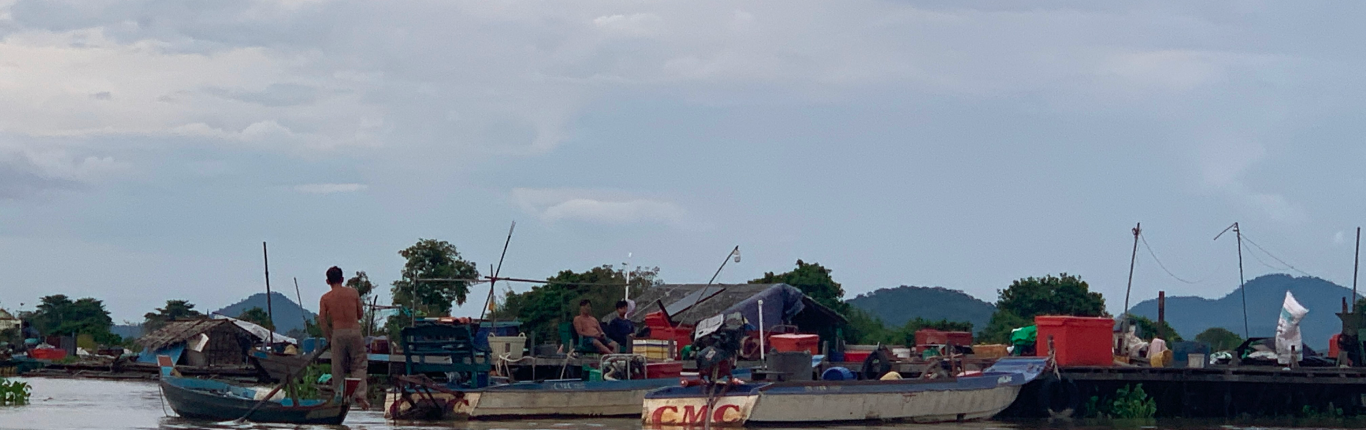
Strengthening Impacted-led Organizations to Lead Change
Ending statelessness requires more than legal reform, policy advocacy, or research alone. It requires strong, resilient, and strategically equipped organizations led by those closest to the issue.
Nationality For All (NFA) works alongside affected-person-led and community-rooted organizations across Asia and the Pacific to strengthen their institutional capacity, leadership, advocacy, and long-term sustainability.
Our partnership model is grounded in accompaniment rather than consultancy.
We believe meaningful change happens when organizations are supported not only through funding or technical advice, but through long-term relationships built on trust, solidarity, reflection, and shared learning.
Rather than offering one-size-fits-all support, we adapt our accompaniment based on each organization’s priorities, context, leadership, and stage of development.
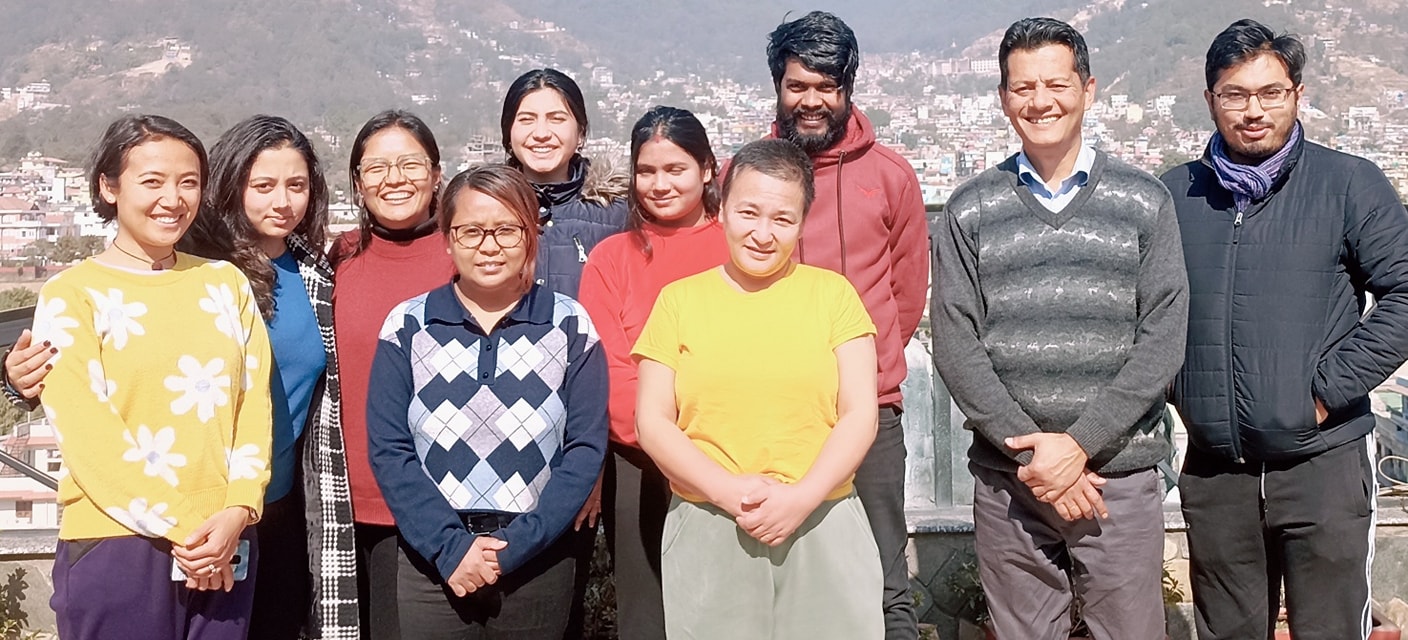
NFA: Empowering Partners with Strategic Support
NFA is focusing on garnering multi-year unrestricted support for the partner organisations and is thus facilitating the process of preparing organisational strategic plansOur Approach
Long-term, trust-based partnerships
We invest in relationships rather than short-term interventions.
Building sustainable organizations takes time. Our partnerships are designed to support long-term institutional growth rather than isolated project outputs.
Partner-led support
Our partners define their priorities.
We do not impose external solutions or pre-designed models. Instead, we work collaboratively to identify organizational needs, opportunities, and strategic goals.
Affected-person leadership
We believe people with lived experience of statelessness and nationality exclusion should shape the strategies, advocacy, and institutions that seek to address these injustices.
Our role is to support leadership, agency, and organizational resilience—not to replace them.
Adaptive accompaniment
Institutional growth is not linear.
Organizations face changing opportunities, political risks, funding pressures, and leadership transitions. Our support evolves alongside these realities.
What We Support
01
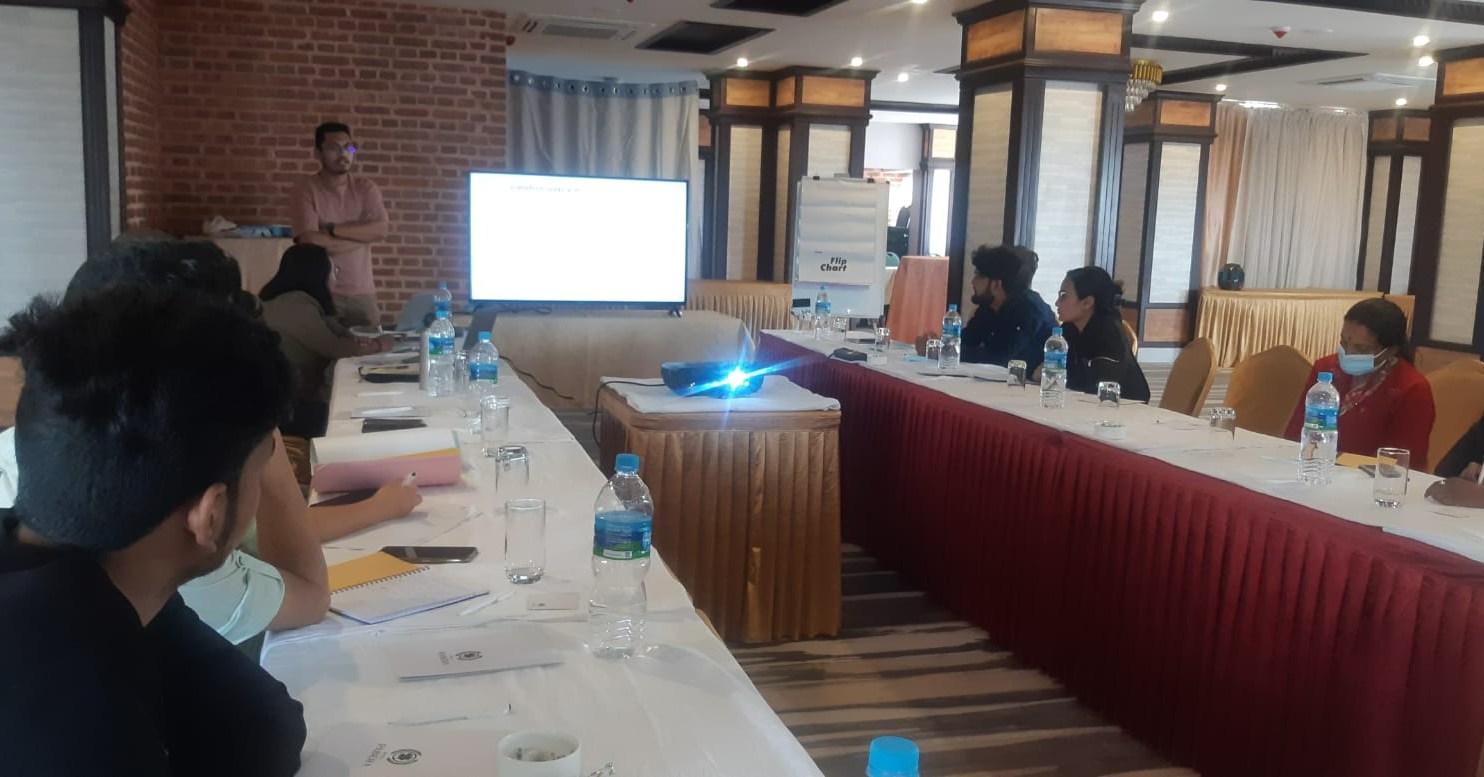
Strategic Development
02
Institutional Strengthening
03
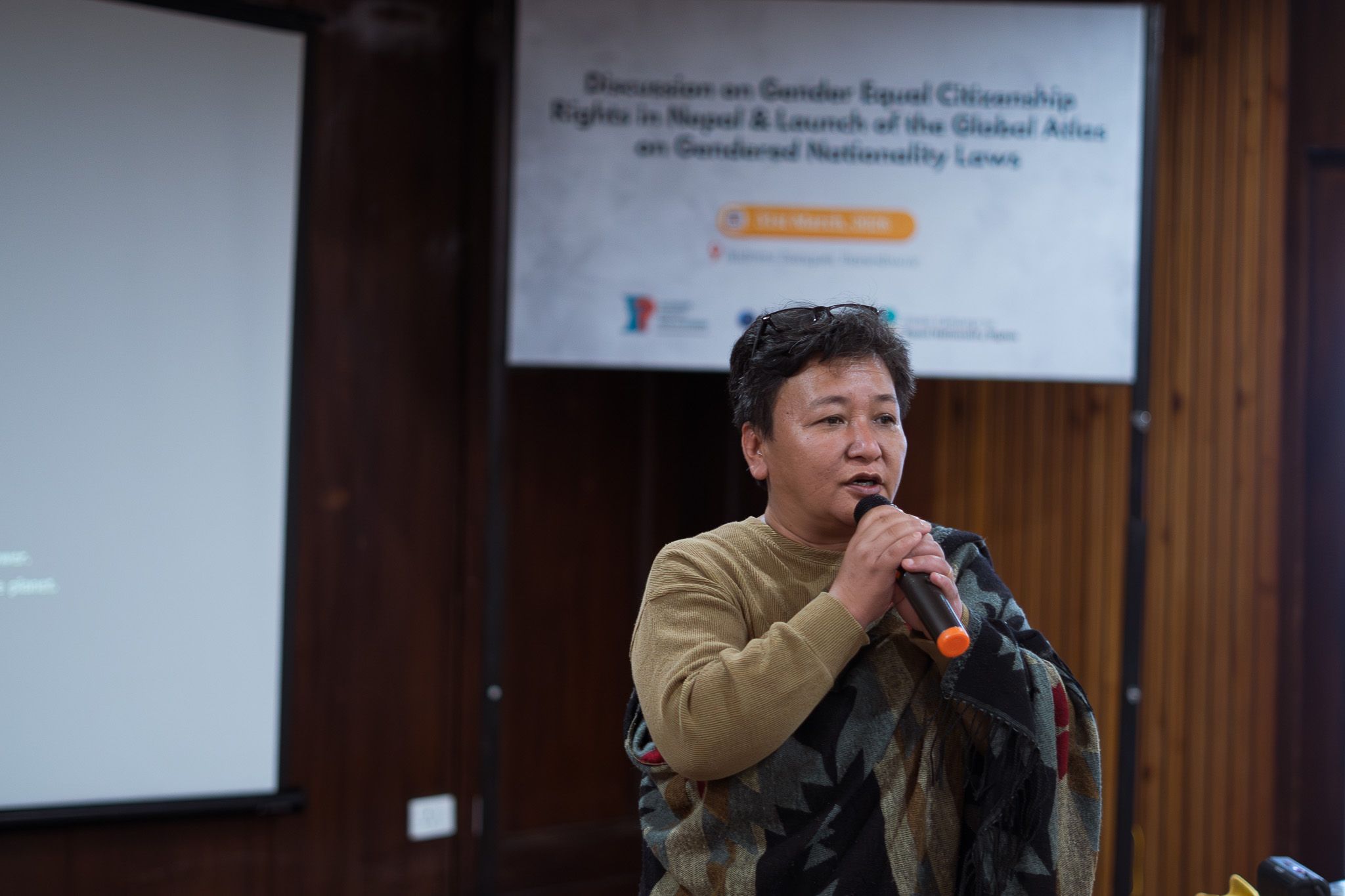
Fundraising and Resource Mobilization
4
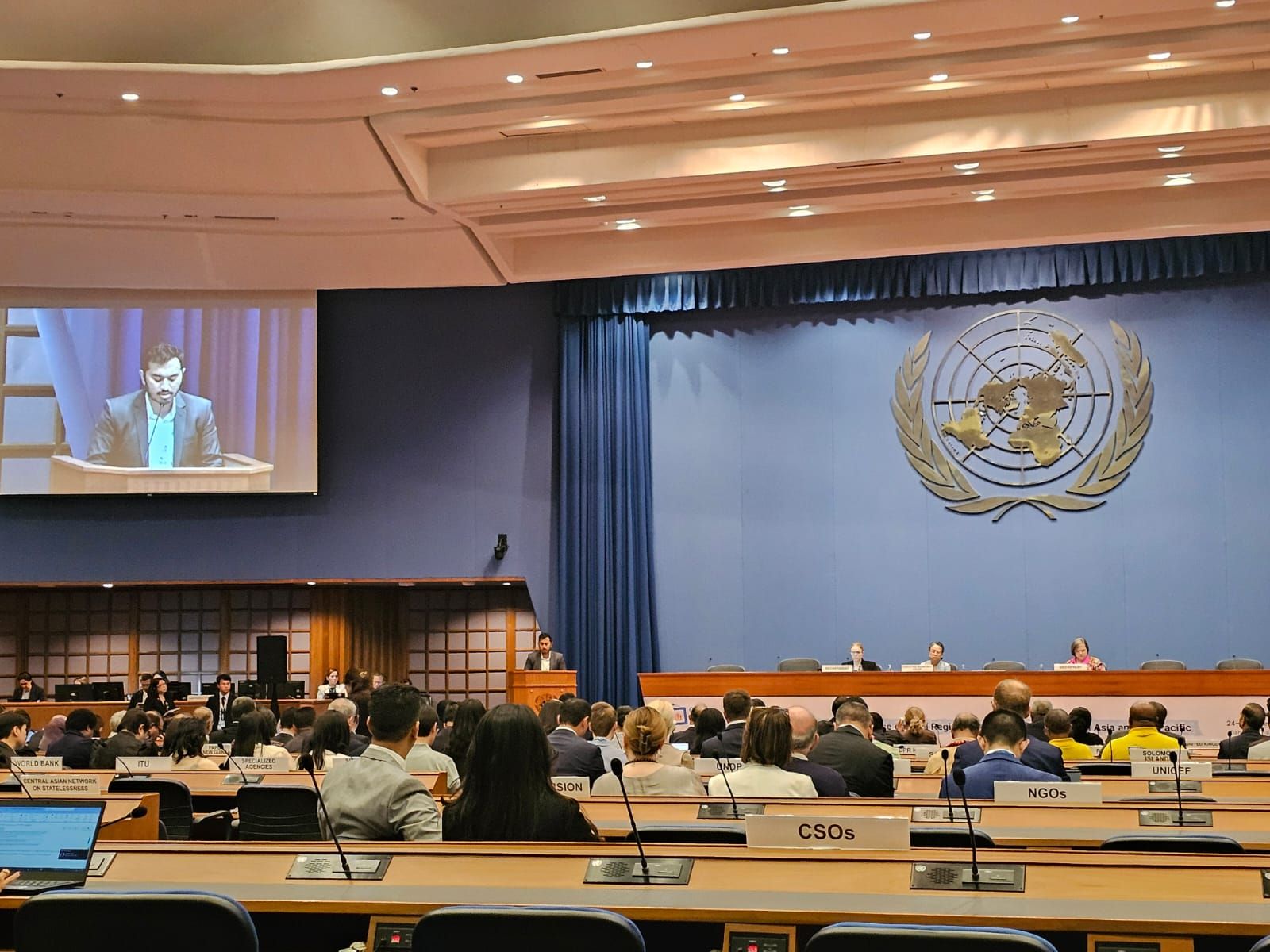
Leadership Development and Peer Learning
5
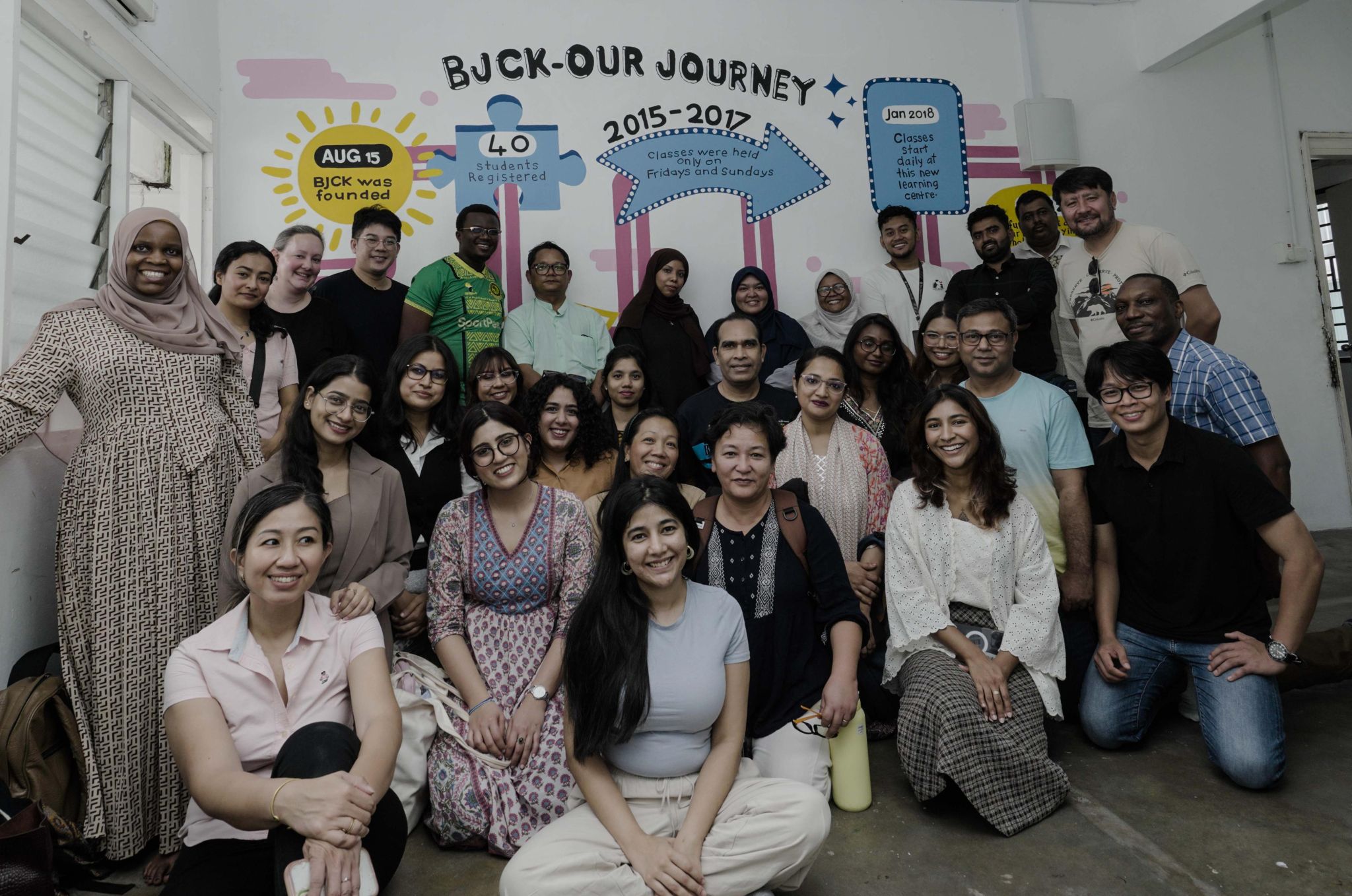
Advocacy Strengthening
Our Partnership Journey
Over the past several years, NFA’s accompaniment model has evolved through direct partnership with impacted-person-led and community-rooted organizations working on nationality rights and statelessness.
Institutional Incubation
Our early partnership model included intensive institutional incubation support for emerging organizations.
For example, our long-term accompaniment of the Citizenship Affected People’s Network (CAPN) in Nepal supported organizational development, strategic growth, fundraising readiness, and advocacy strengthening during a critical phase of its institutional formation.
Long-Term Strategic Partnerships
NFA has worked alongside organizations across the region through tailored bilateral accompaniment and collaborative institutional strengthening.
These partnerships have included support to organizations such as:
- Citizenship Affected People’s Network (Nepal)
- Family Frontiers (Malaysia)
- Council of Minorities (Bangladesh)
- Development and Justice Initiative (India)
Support has included strategic planning, advocacy strengthening, operational support, policy development, and fundraising accompaniment.
Peer Learning and Collective Growth
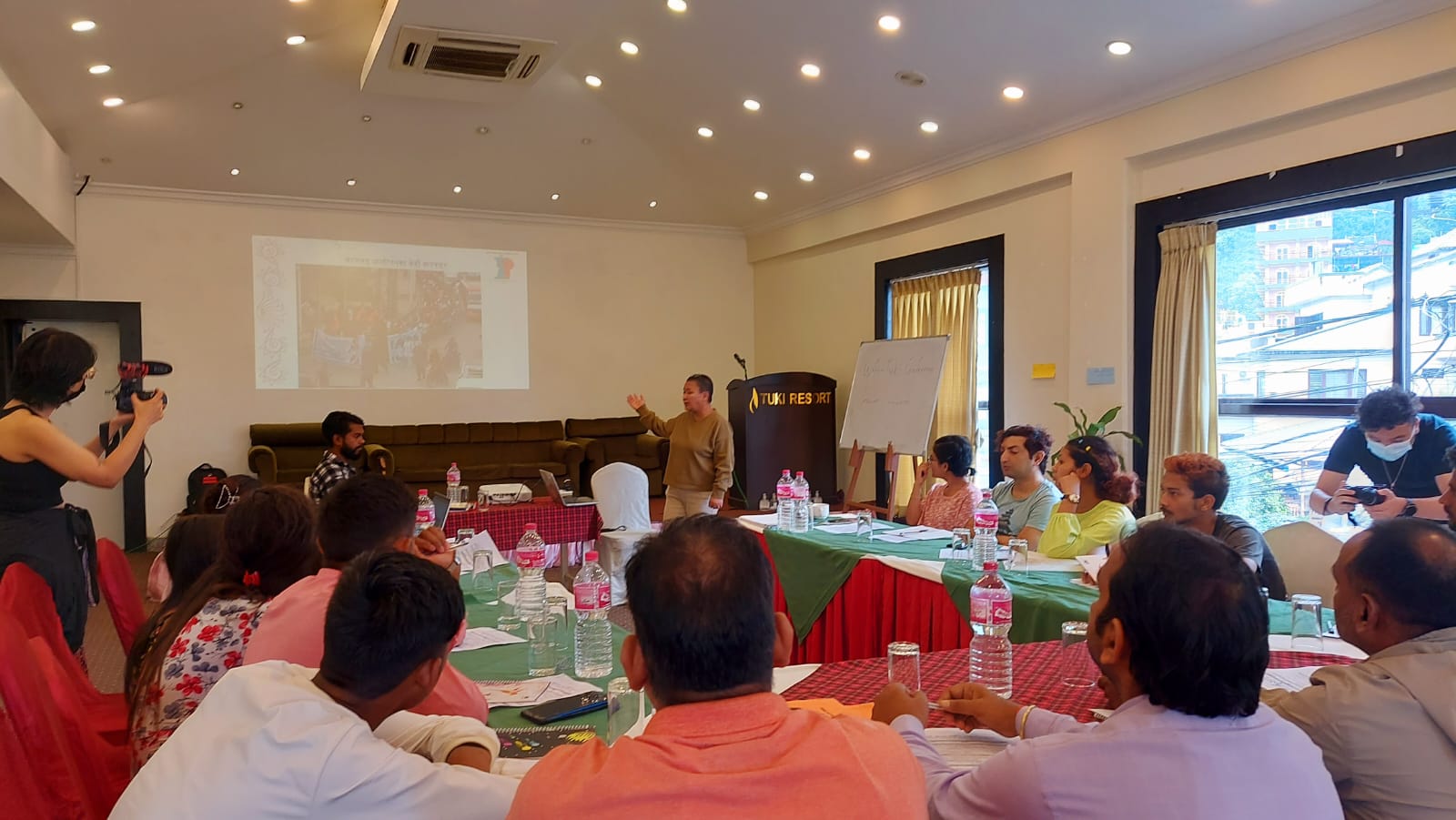
Recognizing that institutional growth also requires solidarity and shared learning, NFA has facilitated peer-learning initiatives that bring together affected-person-led organizations to exchange experiences, challenges, and strategies.
This includes leadership mentoring, in-person retreats, bilateral accompaniment, and collaborative learning spaces focused on organizational resilience, leadership, advocacy, and movement-building.
Current Strategic Accompaniment
NFA continues to support a focused group of organizations through deeper institutional accompaniment and strategic collaboration.
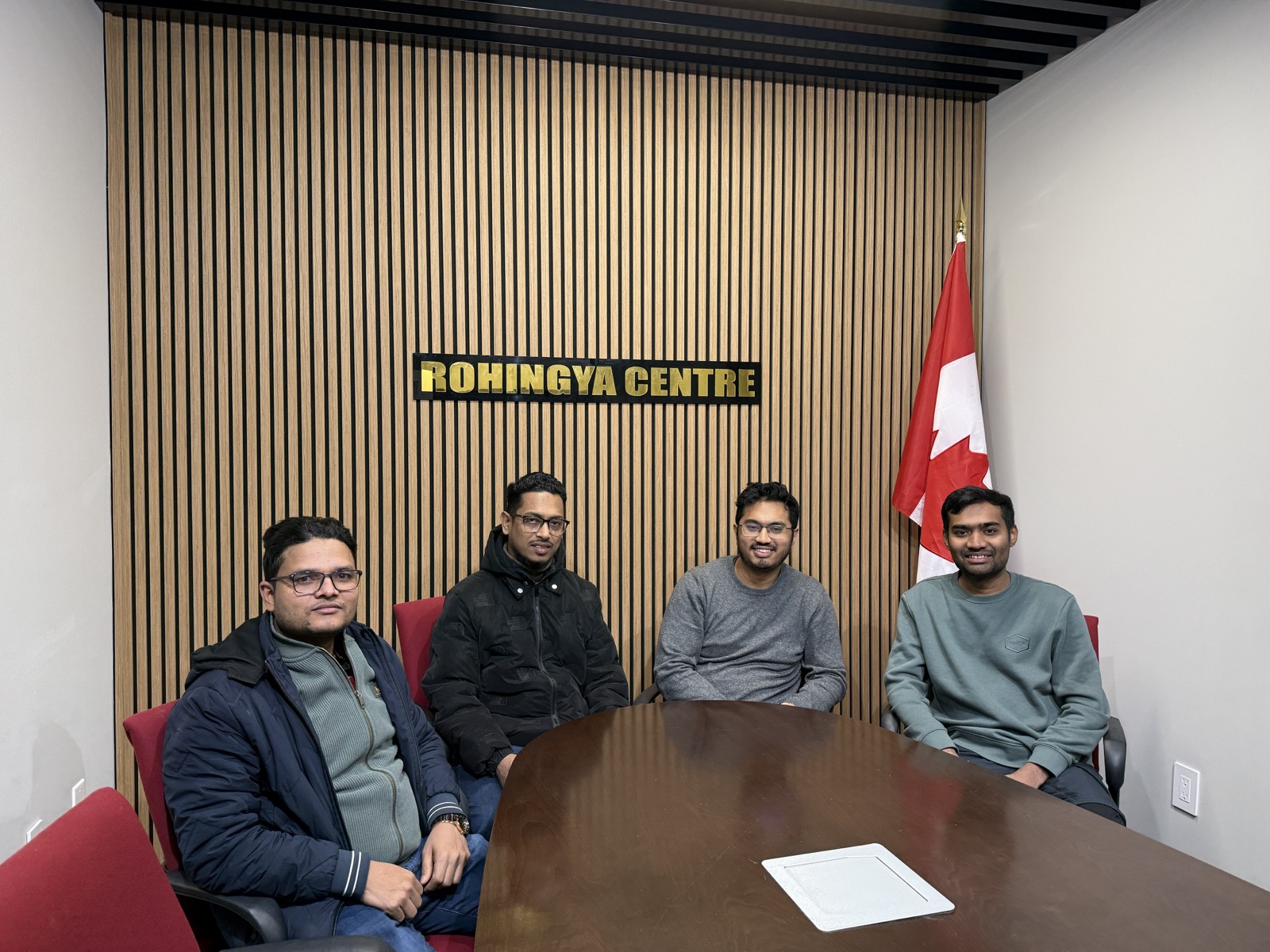
Current and emerging partnerships include support to organizations and networks working on Rohingya rights, citizenship rights, and regional movement-building.
Why This Matters
Organizations led by people directly affected by statelessness often face significant barriers:
- limited access to funding
- institutional precarity
- overreliance on volunteer labour
- founder burnout
- exclusion from decision-making spaces
- unequal access to global advocacy platforms
At the same time, these organizations hold deep expertise, legitimacy, and community trust.
Strengthening their institutional resilience is essential to building a more equitable and sustainable movement to end statelessness.
Building Movement Infrastructure
NFA’s partnership work is not simply organizational capacity building.
It is part of a broader effort to strengthen movement infrastructure across Asia and the Pacific.
By supporting affected-person-led organizations to grow, collaborate, and sustain their work, we aim to contribute to a stronger regional ecosystem capable of advancing nationality rights, challenging exclusion, and shaping long-term systemic change.