Nationality for All at the 2025 Kapihan on Human Rights: Advancing Protection and Inclusion in ASEAN
Date: December 2 – 3, 2025
Venue: Manila, Philippines
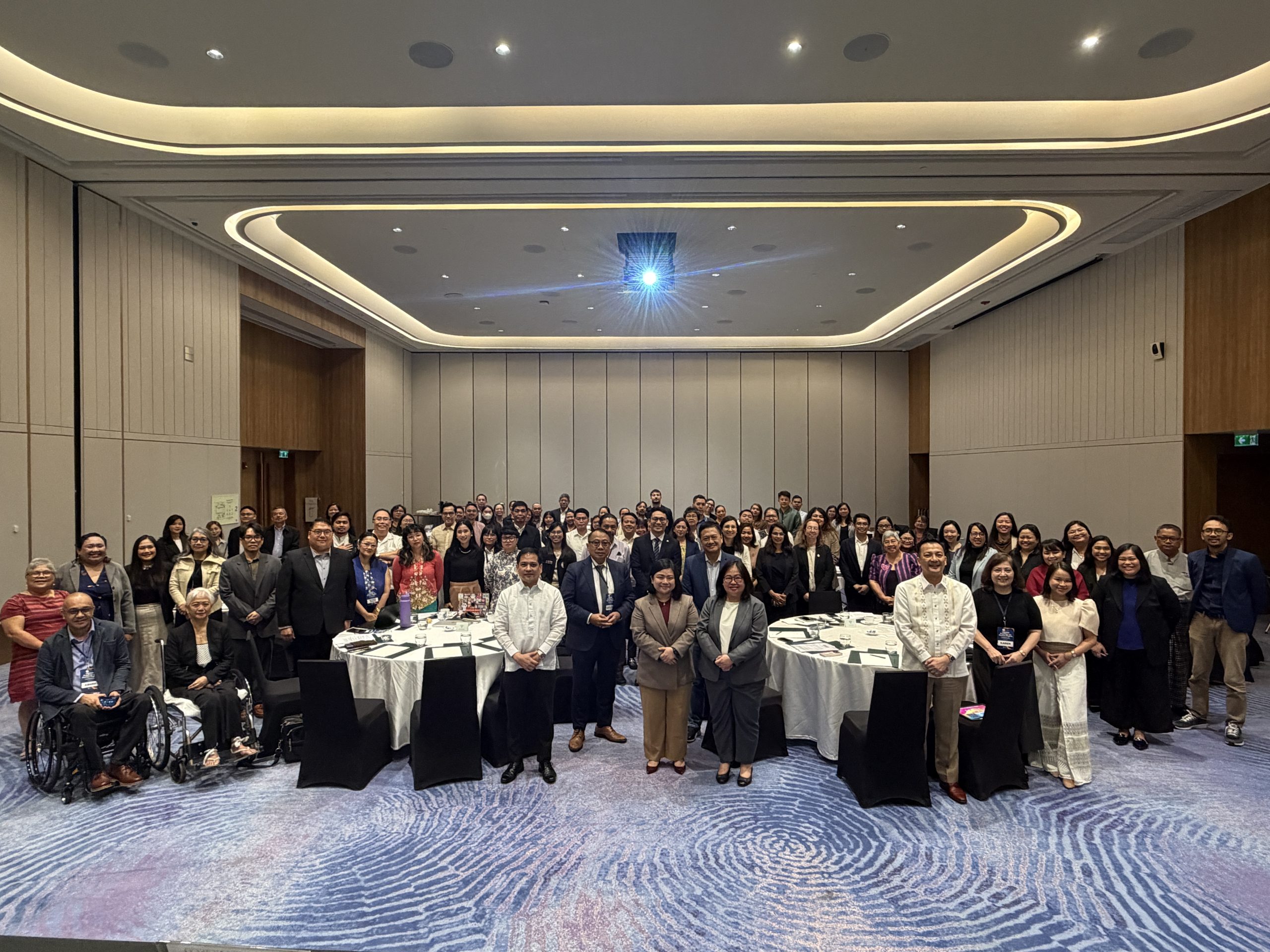
Nationality for All (NFA) participated in the 2025 Kapihan on Human Rights: Protection and Inclusion in ASEAN, a regional dialogue convened last week by the Philippine Working Group for an ASEAN Human Rights Mechanism. Held ahead of the Philippines’ 2026 ASEAN Chairship, the Kapihan gathered civil society leaders, government representatives, grassroots advocates, and regional human rights mechanisms to collectively shape a more inclusive ASEAN agenda.
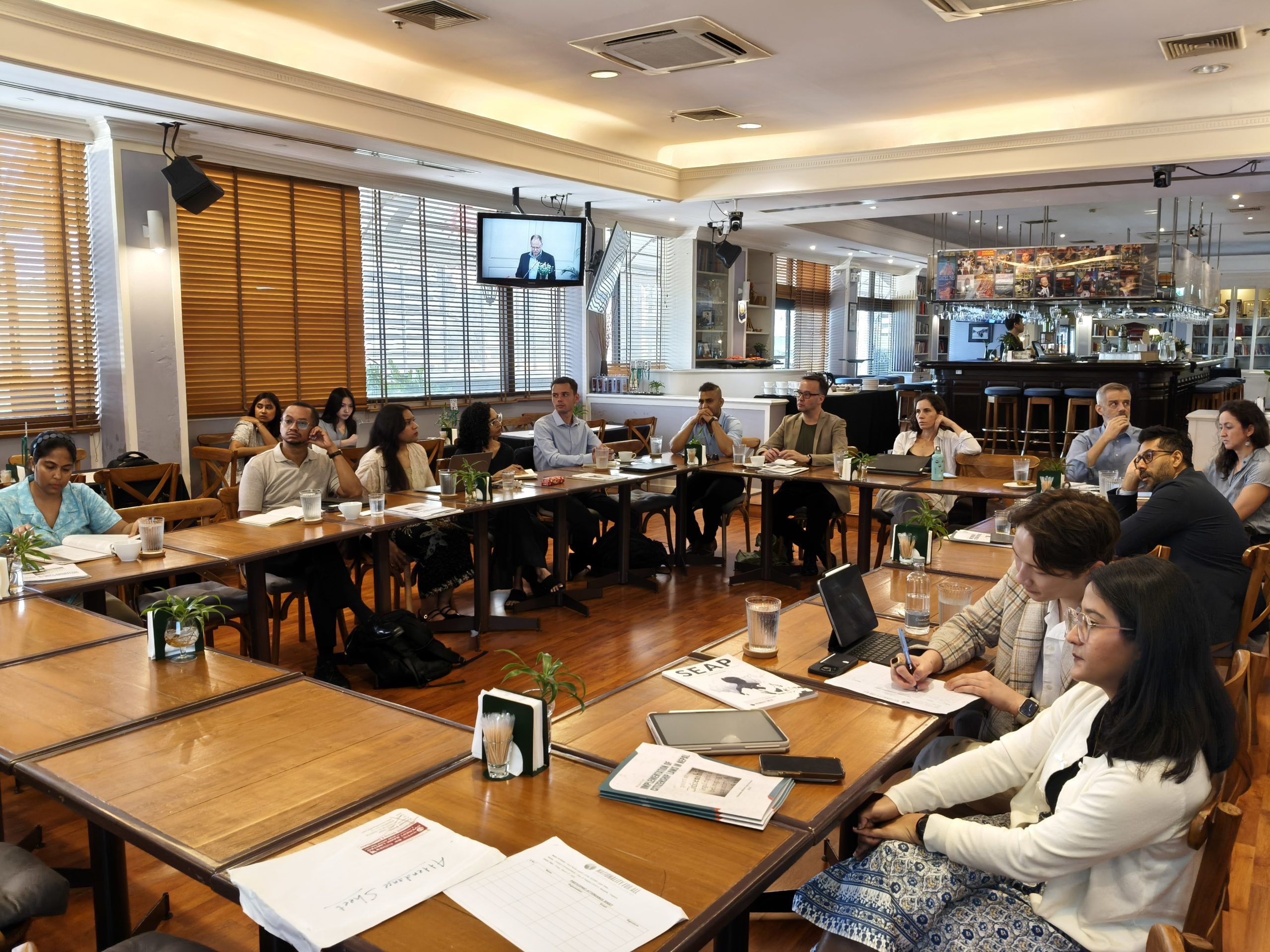
Representing NFA, Lead Knowledge Building Consultant Nicole Fong delivered an in-depth presentation on ending statelessness and upholding the right to nationality across Southeast Asia. Her contribution underscored the growing urgency of addressing the persistent and intergenerational impacts of statelessness in the region.
Highlighting Statelessness as a Pressing Regional Human Rights Priority
Nicole emphasized that Southeast Asia remains home to over 1.4 million stateless persons, many of whom have deep historical, cultural, and familial ties to the countries they live in. Despite this, they continue to face exclusion due to:
- Discriminatory nationality laws, especially those rooted in gender inequality or ethnic exclusion;
- Administrative and procedural barriers that make documentation inaccessible or unaffordable;
- Weak legal safeguards against statelessness at birth;
- Limited recognition of minority groups, cross-border communities, and people with lived experience of displacement.
She also highlighted the profound human impact of statelessness—how barriers to nationality affect women, youth, Indigenous peoples, ethnic minorities, LGBTQ+ persons, and persons with disabilities, limiting access to education, healthcare, employment, property rights, and legal protection.
Recommendations for ASEAN’s Next Human Rights Work Plan (2026–2030)
As ASEAN begins shaping its new human rights work plan for 2026–2030, Nicole called for a stronger, more deliberate regional approach, outlining four key recommendations to strengthen inclusion and protection:
1. Integrate the Right to Nationality into ASEAN Human Rights Frameworks
Statelessness must be recognized as a core human rights concern, linked to existing ASEAN commitments on equality, gender justice, child rights, and social inclusion.
2. Establish a Dedicated Focal Point within AICHR or ACWC
Having a designated mechanism within the ASEAN Intergovernmental Commission on Human Rights (AICHR) or the ASEAN Commission on the Promotion and Protection of the Rights of Women and Children (ACWC) would enable sustained attention, coordination, and monitoring of statelessness issues.
3. Encourage More ASEAN Member States to Join the Global Alliance to End Statelessness
Broader membership would enhance collective advocacy, commitment to reform, and cross-border cooperation.
4. Create Meaningful, Accessible Spaces for Stateless Persons and Civil Society
Regional policy processes should include those directly affected by statelessness, ensuring that ASEAN’s commitments are informed by lived experiences and grounded in the realities faced by marginalized groups.
A Collaborative and Inclusive Regional Dialogue
The Kapihan brought together a diverse set of advocates, including women’s rights organizations, migrant rights groups, Indigenous peoples’ collectives, youth groups, LGBTQ+ networks, and disability rights leaders. This inclusive format enabled robust discussions on strengthening protection, addressing systemic gaps, and advancing rights-based approaches across the region.
NFA commends the organizers for fostering a participatory space that centers intersectionality, collaboration, and shared regional responsibility.
Looking Ahead: Toward a More Inclusive ASEAN in 2026 and Beyond
With the Philippines set to chair ASEAN in 2026, the Kapihan marked an important milestone in shaping priorities that reflect the realities of communities across Southeast Asia. NFA looks forward to continued partnership with regional mechanisms, governments, and civil society actors to ensure that:
- no one is left stateless,
- everyone’s right to a nationality is protected, and
- ASEAN’s human rights frameworks evolve to reflect inclusion, dignity, and justice for all.