Advancing Inclusion, Digital Rights, and Legal Identity for Stateless Persons
Date: June 24–26, 2025
Location: Bangkok, Thailand
Representative: Subin Mulmi, Executive Director, Nationality for All (NFA)
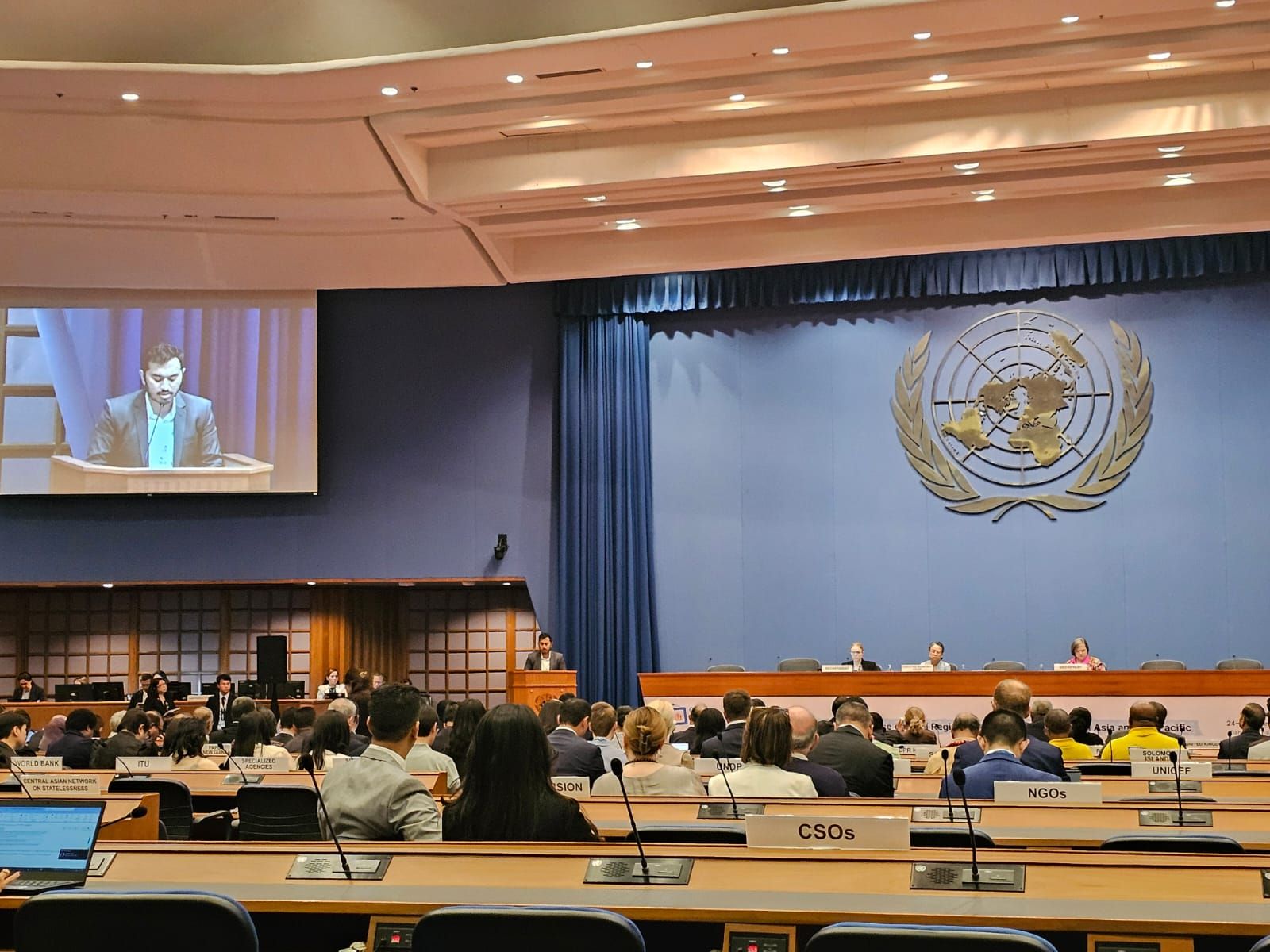
Nationality for All (NFA) was honored to participate in the Third Ministerial Conference on Civil Registration and Vital Statistics (CRVS) in Asia and the Pacific, held in Bangkok, Thailand under the theme “A Decade of Action for Inclusive and Resilient CRVS Systems.”
Representing NFA, Executive Director Subin Mulmi spoke on behalf of over 30 civil society organizations across the region, delivering the Joint Civil Society Statement during the opening of the Senior Officials’ Segment. His remarks reaffirmed that CRVS is not only about data — it is about dignity, identity, and belonging.
Day 1: Reflections on Digitalization and CRVS in South Asia
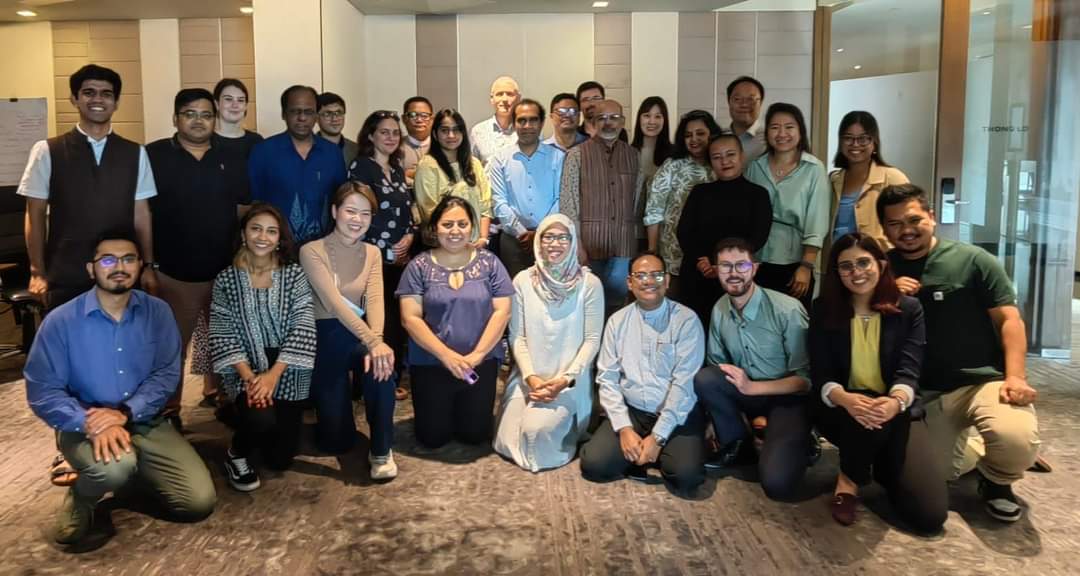
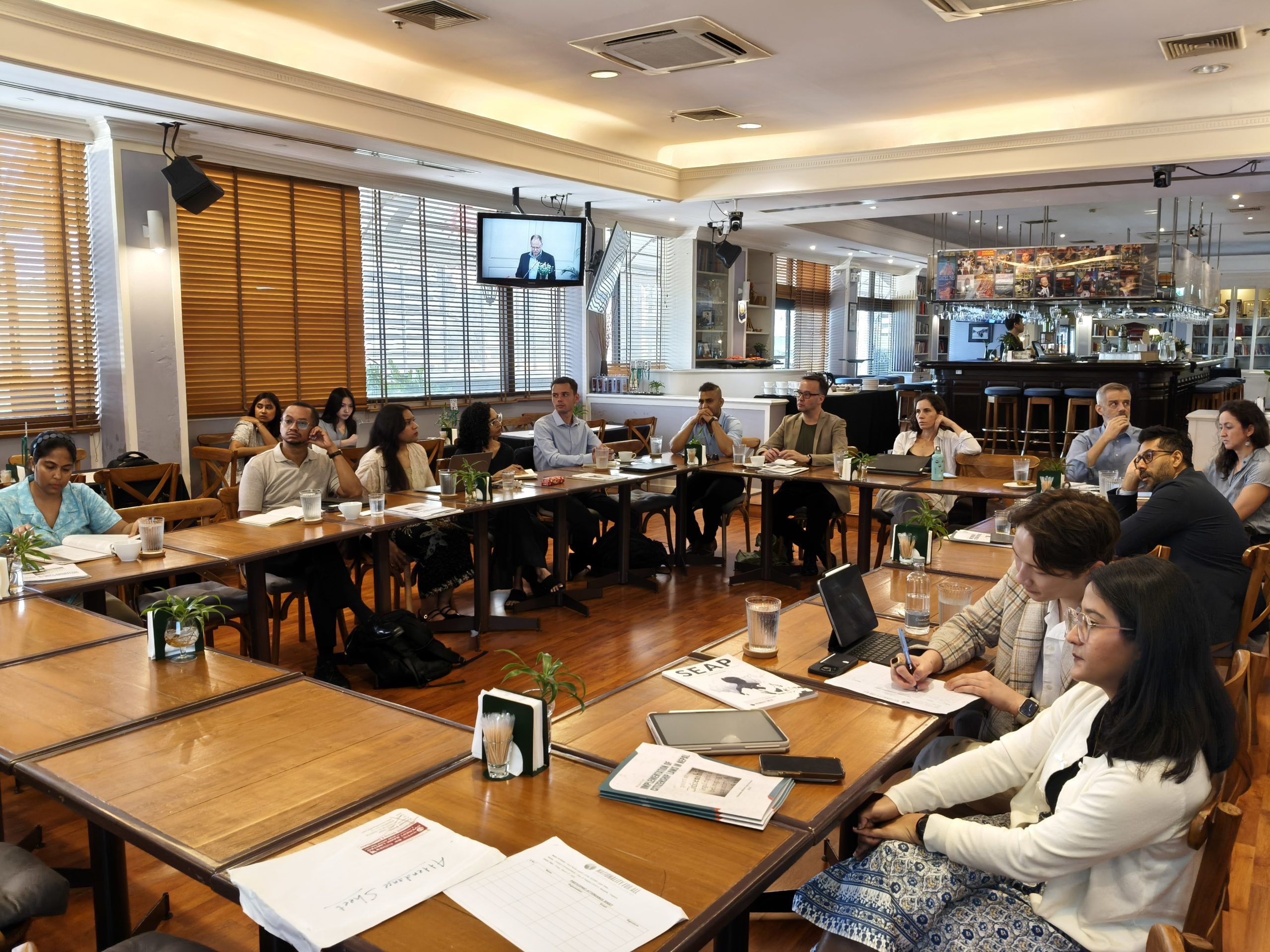
During the Sub-Regional Forum on Digitalization and CRVS in South Asia, Subin joined regional experts and officials to discuss progress and persistent challenges from the first CRVS Decade (2015–2024).
Many South Asian countries have achieved significant improvements in registration coverage, supported by innovations in digital systems, health-sector integration, and community outreach. However, Subin underscored that the move toward digitalization must not deepen exclusion.
“Digital transformation must be built on inclusion, accessibility, and trust. We must ensure that non-citizens, stateless persons, and other marginalized groups are not left behind.”
— Subin Mulmi, Executive Director, NFA
Delivering the Joint Civil Society Statement
In his address to delegates, Subin delivered the Joint Civil Society Statement, developed collaboratively by regional and national civil society organizations and coalitions.
The statement called on governments to:
✅ Ensure universal, free, and accessible registration for all, regardless of nationality or status;
✅ Remove discriminatory laws that exclude stateless persons, migrants, and refugees from CRVS systems;
✅ Build rights-based digital identity systems with safeguards for privacy and data protection; and
✅ Ensure meaningful engagement of civil society and impacted persons in CRVS reform processes.
The statement also highlighted the intersectional barriers faced by LGBTQI+ persons, refugees, and gender-diverse communities, urging governments to design identity systems that reflect human diversity and guarantee equality.
Outcome Highlights: Statelessness and Digital ID in the Ministerial Report
The official report of the conference, ESCAP/MCCRVS/2025/6 – Report of the Third Ministerial Conference on Civil Registration and Vital Statistics in Asia and the Pacific, recognizes that statelessness and lack of legal identity remain major barriers to achieving universal registration. The report notes that:
- Stateless persons, refugees, migrants, and cross-border populations continue to experience challenges in accessing registration due to restrictive legal frameworks and documentation requirements.
- Civil registration and digital identity systems must be inclusive, rights-based, and interoperable with national identification frameworks to avoid creating or perpetuating exclusion.
- Governments and development partners are encouraged to collect disaggregated data on stateless and at-risk populations to better design interventions that ensure “everyone is counted.”
- The report further stresses that Digital ID systems should be implemented with robust privacy, data protection, and human rights safeguards, ensuring that digital transformation enhances, not restricts access to legal identity.
These commitments mark a significant step forward in regional recognition of statelessness as both a development and human rights concern, and align with NFA’s long-standing advocacy for inclusive, accountable, and people-centered CRVS and Digital ID systems.
Looking Ahead: A Renewed Decade of Commitment
The conference concluded with the adoption of the Ministerial Declaration on a Decade of Action for Inclusive and Resilient CRVS Systems (2025–2035) — reaffirming the shared regional commitment to universal legal identity.
As we enter this new decade of CRVS action, NFA remains dedicated to:
- Advancing inclusive legal identity systems that recognize all persons, including the stateless and undocumented;
- Promoting digital equity and data rights to ensure technology strengthens, rather than undermines, inclusion; and
- Ensuring that the voices of impacted communities remain central to policy and implementation.